
Robert Louis Stevenson
Scottish novelist and poet, author of *Treasure Island* and *Jekyll and Hyde*.

via Wikipedia: Moral Emblems · see source
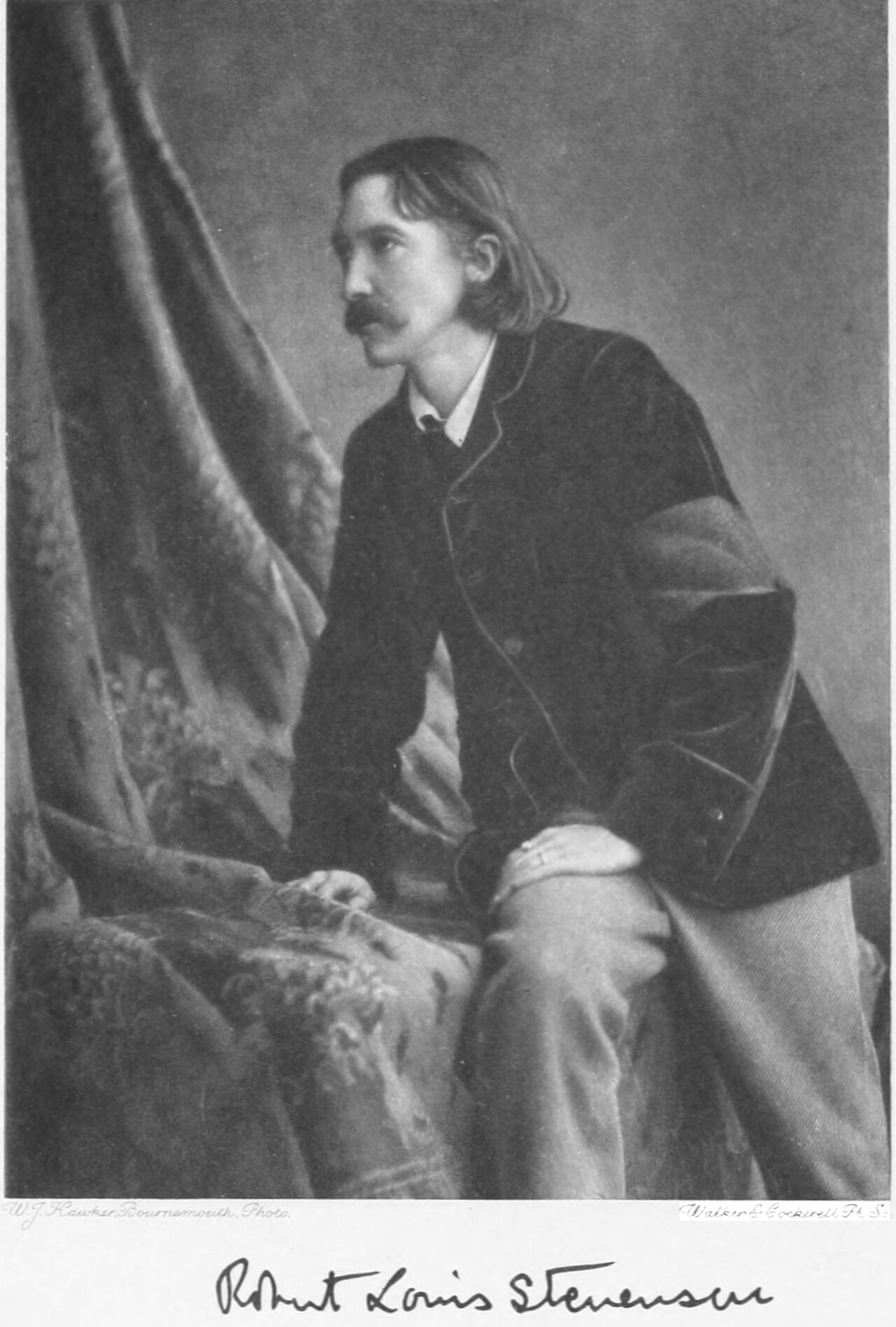
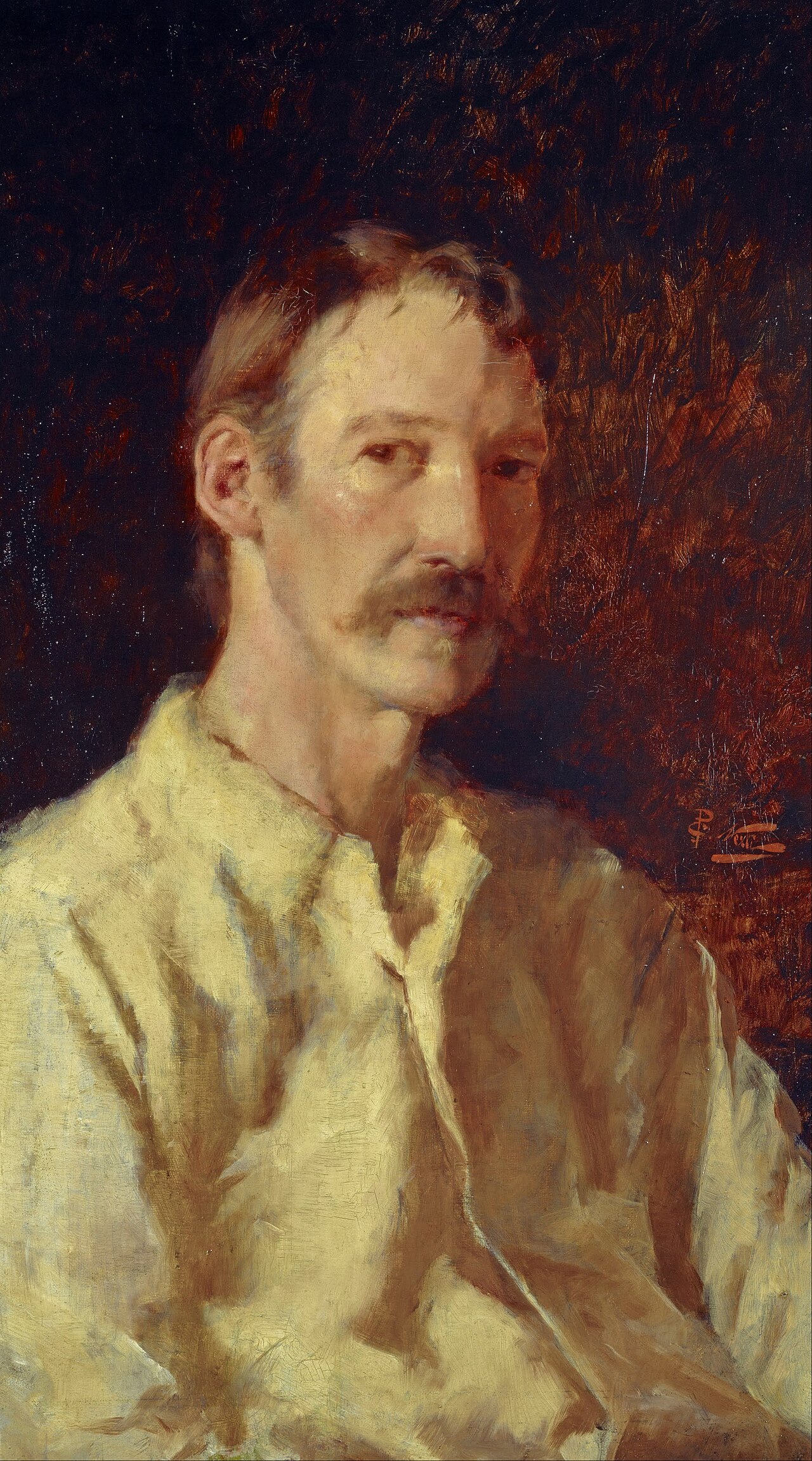
Robert Louis Stevenson was a Scottish novelist, essayist, poet, and travel writer. Born and educated in Edinburgh, Stevenson suffered from serious bronchial trouble for much of his life but managed to write prolifically and travel widely despite his poor health. He also created the illustrated poetry booklets *Moral Emblems*, first published in Davos in 1882, where he acted as author, illustrator, engraver, and—with his stepson Lloyd Osbourne—editor.
- field
- Novelist, essayist, poet, travel writer
- nationality
- Scottish
- known_for
- Treasure Island, Strange Case of Dr Jekyll and Mr Hyde, Kidnapped, A Child's Gar
Verified Timeline
Lore & Background
Stevenson's stepson Lloyd Osbourne was born in San Francisco in 1868, the second child of Samuel Osbourne and Fanny. Fanny left her husband in 1875 and moved to Europe with her three children. In April 1876, Lloyd's younger brother Hervey died in Paris from an illness probably identified as tuberculosis. Warned that Lloyd's health was also in danger, Fanny moved the family to Grez-sur-Loing, where they met Stevenson. Lloyd was eight; Stevenson was twenty-six. Lloyd later wrote: 'I was very flattered to be taken so seriously — R. L. S. always complimented children for being serious, however mischievous the gleam in his bright brown eyes — and I instantly held him in high regard.' Lloyd developed a love for 'Luly Stevenson,' as he called him, and secretly compared him to Mr. Greatheart from *The Pilgrim's Progress*. In January 1880, Samuel and Fanny Osbourne divorced; in May 1880, Fanny married Stevenson in San Francisco. Lloyd accompanied them on their honeymoon trip to Calistoga and then to Silverado, where Stevenson made 'unenthusiastic and futile' attempts to teach him geometry and Latin. Lloyd noted in 1922: 'What intrigued me most of all was that he was as fond as I was of Mayne Reid, Fenimore Cooper, Jules Verne, and Marryat [...] This idolized stepfather was the most wonderful, the most stimulating playmate.'
Reader's Guide
When Stevenson traveled to Davos with Fanny and Lloyd during the winter of 1880–1881, he had yet to publish a novel or achieve any literary success. He had released *An Inland Voyage* in 1878 and *Travels with a Donkey in the Cévennes* in 1879. The partial publication—under the pseudonym 'Captain George North'—of *Treasure Island* in the children's magazine *Young Folks* between October 1881 and January 1882 coincided with his second stay in Davos and the creation of *Moral Emblems*. During this time, Stevenson was also rewriting *Treasure Island* for publication as a book, intending for it to be illustrated. In 1882, Stevenson published two articles in the *Magazine of Art* on the relationship between text and illustration. The first examines the anonymous illustrations of an 1845 edition of *The Pilgrim's Progress*, which follow Bunyan's text in a manner described as 'literal to the brink of madness' and share with it the same 'disregard for style,' the same clarity, and an 'almost comical simplicity.' The second article focuses on two illustrated versions of the story of the 47 rōnin. Stevenson, who shared with William Crane an appreciation for the synthetic vision of reality found in Japanese prints, particularly notes how the illustrator seeks 'the maximum effect with the minimum of detail.'
Did You Know?
- Stevenson drew the map that inspired his first published novel, *Treasure Island*, while staying in Braemar in 1881.
- Lloyd Osbourne printed 24 copies of a one-sided leaflet titled *Martial Elegy for Some Lead Soldiers* in November 1880, selling them to spa guests for a penny each.
- Stevenson's stepson Lloyd secretly compared him to Mr. Greatheart from *The Pilgrim's Progress*.
- The original editions of *Moral Emblems* were published in limited copies in Davos in 1882, with Stevenson as author, illustrator, engraver, and co-editor with his thirteen-year-old stepson.
- Stevenson published two articles in the *Magazine of Art* in 1882 on the relationship between text and illustration.
Gallery
Frequently Asked Questions
Who is Robert Louis Stevenson?
He was a Scottish writer born in Edinburgh in 1850 who worked across novels, poetry, essays, and travel writing. His most celebrated works include Treasure Island, the Jekyll and Hyde story, and the children's verse collection A Child's Garden of Verses.
What are Robert Louis Stevenson's most famous books?
His signature titles are Treasure Island (1883), Strange Case of Dr Jekyll and Mr Hyde (1886), and Kidnapped (1886). He also published the beloved poetry book A Child's Garden of Verses in 1885.
How did Robert Louis Stevenson's life end?
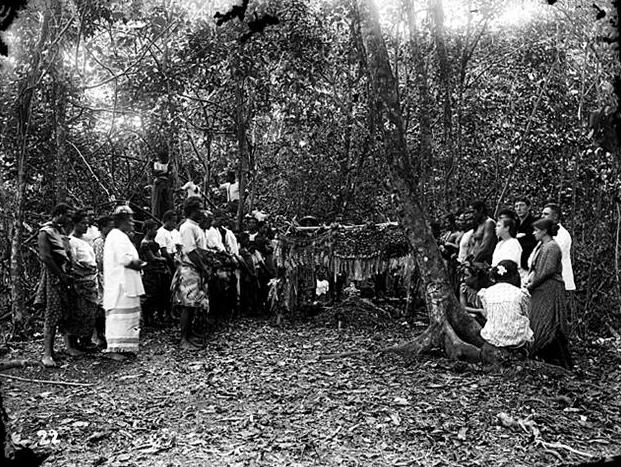
He died on 3 December 1894 in Samoa at the age of 44. He had spent his final years living in the South Pacific, where he built a home and a small community on the island of Upolu.
Why is Robert Louis Stevenson important in literature?
He helped shape the adventure novel and the psychological thriller, leaving works that remain staples of school curricula and popular culture. His blend of vivid storytelling with moral complexity set a template that countless later writers have followed.
How did Stevenson manage to write so much despite his poor health?
He suffered from chronic bronchial illness throughout his adult life, which forced him to seek warmer climates repeatedly. Despite these physical limitations, he remained remarkably productive, traveling widely and publishing across multiple genres before his early death at 44.
More in Literary Giants 1-24
Elsewhere in the Literary Giants universe
Spotted an error? Know more?
This is a living reference — every entry is fact-audited, and reader corrections feed straight into our audit queue. Suggest an edit · See this site's audit record