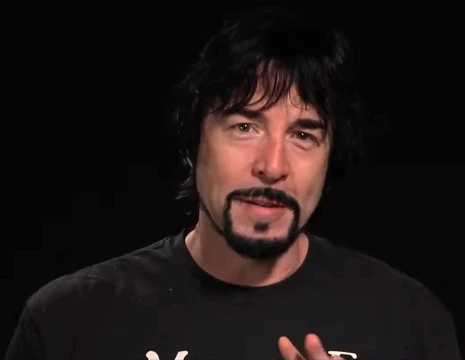
Wole Soyinka
Nigerian Nobel laureate whose works explore culture and politics.
Wole Soyinka is a Nigerian writer, playwright, and poet. He was born on 13 July 1934 in Aké, Abeokuta, into an Anglican Yoruba family. His father, Samuel Ayodele Soyinka, was an Anglican minister and headmaster from the royal family of Isara-Remo. His mother, Grace Soyinka (née Jenkins-Harrison), was a shopkeeper and activist from the Ransome-Kuti family, a powerful Nigerian dynasty often compared to the Kennedy family in the United States. The founding patriarch of that dynasty, Anglican priest J. J. Ransome-Kuti, was a pioneer in Nigeria’s music recording industry in the 1920s. Soyinka was the second of seven children.
He attended St. Peters Primary School from 1940 to 1946, where his father was headmaster, then went to Abeokuta Grammar School for secondary education and Government College, Ibadan for university preparatory studies from 1946 to 1951. At University College Ibadan, from 1952 to 1954, he studied English literature, Greek, and Western history. During his final year there, he wrote a short radio play, *Keffi's Birthday Treat*, broadcast in July 1954 by the Federal Radio Corporation of Nigeria. With classmates including Olumuyiwa Awẹ, Ralph Opara, Aig-Imoukhuede, and Pius Oleghe, he co-founded the National Association of Seadogs, Nigeria’s first confraternity.
In 1954, Soyinka moved to England to study English literature at the University of Leeds, supervised by G. Wilson Knight. He had been encouraged by Joyce M. Green, a teacher from Cambridge who joined University College Ibadan in 1950 and wrote him a strong reference. At Leeds, he edited the university’s satirical magazine, *The Eagle*, writing a column on academic life. In August 1955, he began recording for the BBC Lecture series and wrote many short stories. In 1957, he won the university’s annual oratory competition.
After earning his BA honours in English in 1957, Soyinka stayed in Leeds and began writing his first plays, *The Swamp Dwellers* and *The Lion and the Jewel*. He moved to London and worked as a play reader for the Royal Court Theatre. In 1958, he led the Nigerian Drama Group in a performance of *The Swamp Dwellers*. His play *The Invention* was produced at the Royal Court Theatre in 1957, his first work staged there. During this time, his poems “The Immigrant” and “My Next Door Neighbour” appeared in *Black Orpheus*. In 1959, he returned to Nigeria after receiving a Rockefeller Research Fellowship for research on African theatre. That November, he replaced Janheinz Jahn as co-editor of *Black Orpheus*. In 1960, he completed the radio play *Camwood on the Leaves*, and his play *The Trials of Brother Jero* premiered at University College Ibadan in April 1960. He formed the theatre group 1960s Mask. His play *A Dance of the Forest* became the official play for Nigerian Independence Day, premiering in Lagos on 1 October 1960. His first full-length play, *My Father's Burden*, was directed by Olusegun Olusola and aired on Western Nigeria Television on 6 August 1960. In 1962, he wrote essays defending Nigerian literacy, including “Death and the King’s Horsemen” and “Towards a True Theater,” published in *Transition Magazine*. That same year, he was appointed a lecturer at Obafemi Awolowo University in Ifẹ. In 1963, his first feature-length movie, *Culture in Transition*, was released.
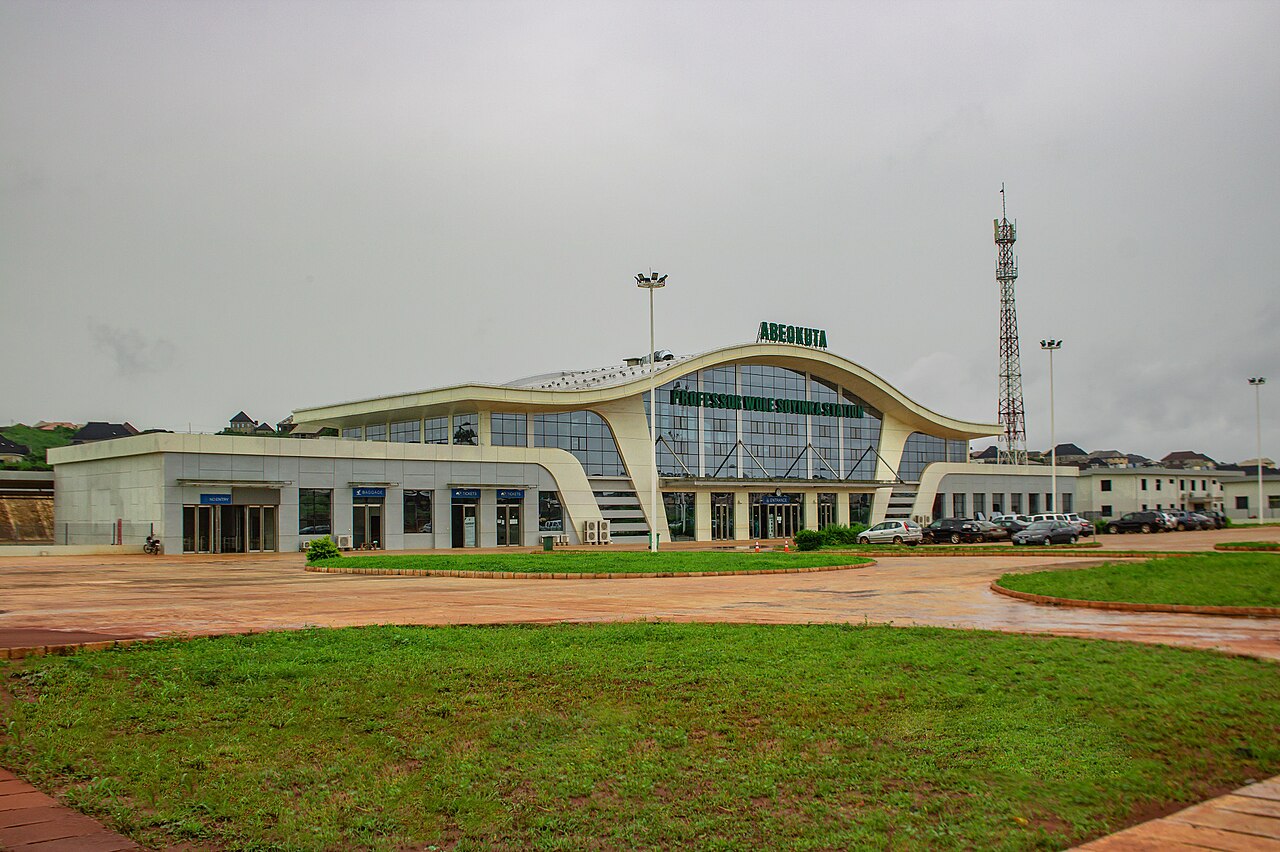
Soyinka has written three novels, ten collections of short stories, seven poetry collections, twenty-five plays, and five memoirs. He has also produced two translated works and many articles and short stories for newspapers and periodicals. He received the 1986 Nobel Prize in Literature for his “wide cultural perspective and poetic overtones fashioning the drama of existence.” His novels and plays are often set in Nigeria, reflecting its history, culture, and political struggles. He has also written satirical works that have reached a broad audience. His plays include *The Swamp Dwellers* (1958), *The Lion and the Jewel* (1959), *The Invention* (1957), *The Interpreters* (1965), *Season of Anomy* (1973), *Death and the King’s Horseman*, *Chronicles from the Land of the Happiest People on Earth* (2021), and *Harmattan Haze on an African Spring* (2012). In July 2024, President Bola Tinubu renamed the National Arts Theatre after Soyinka during his 90th birthday.
- born
- 13 July 1934
- field
- Literature, Playwriting, Poetry
- nationality
- Nigerian
- known_for
- Nobel Prize in Literature (1986); plays such as The Swamp Dwellers, The Lion and
Lore & Background
Soyinka was born into an Anglican Yoruba family in Aké, Abeokuta, Nigeria. He attended Government College, Ibadan and University College Ibadan, where he co-founded the Pyrate Confraternity. He later studied at the University of Leeds in England, editing the university's magazine The Eagle. He began writing short stories and making records for the BBC Lecture series, and his plays were performed on radios and in theatres in Nigeria and the UK, especially the Royal Court Theatre. His early plays include The Swamp Dwellers (1958), The Lion and the Jewel (1959), and The Invention (1957).
Reader's Guide
Soyinka's significance lies in his wide-ranging literary output—three novels, ten collections of short stories, seven poetry collections, twenty-five plays, and five memoirs—and his 1986 Nobel Prize. Many of his works are set in Nigeria, reflecting the country's history, culture, and political struggles. He also produced satirical writings that reached a broad audience. His imprisonment for 22 months during the Nigerian Civil War, after being declared a traitor for his political activities, underscores his engagement with political issues. In July 2024, the National Arts Theatre was renamed after him on his 90th birthday.
Did You Know?
- Soyinka co-founded the National Association of Seadogs (the Pyrate Confraternity), Nigeria's first confraternity, during his final years at University College Ibadan.
- His short radio play Keffi's Birthday Treat was broadcast by the Federal Radio Corporation of Nigeria in July 1954.
- He was arrested in 1965 for holding up a radio station at gunpoint and replacing a recorded speech with a tape accusing the premier of electoral malpractice.
- Soyinka was imprisoned for 22 months during the Nigerian Civil War after being declared a traitor for his political activities.
- In July 2024, Nigerian president Bola Tinubu renamed the National Arts Theatre after Soyinka on his 90th birthday.
Roots in Abeokuta and the Ransome-Kuti Dynasty
Wole Soyinka entered the world on 13 July 1934 in the small town of Ake, Abeokuta, the second of seven children in an Anglican Yoruba household. His father, Samuel Ayodele Soyinka, served as both an Anglican minister and a school headmaster, tracing his lineage to the royal family of Isara-Remo. His mother, Grace, née Jenkins-Harrison, was a shopkeeper and social activist whose extended family, the Ransome-Kutis, occupied a place in Nigerian public life often likened to the Kennedy dynasty in America. The Ransome-Kuti patriarch, J. J. Ransome-Kuti, had been a trailblazer in the country's music recording industry during the 1920s. Soyinka's early schooling took him through St. Peters Primary School—where his father held the headmaster's chair—from 1940 to 1946, followed by Abeokuta Grammar School and Government College, Ibadan. At University College Ibadan he pursued English literature, Greek, and Western history, and in his final years co-founded the National Association of Seadogs, recognized as Nigeria's first confraternity. A short radio play he wrote, Keffi's Birthday Treat, was broadcast by the Federal Radio Corporation of Nigeria in July 1954, an early sign of the storyteller he would become.
The Leeds Years and a First Stage
The decision to leave Nigeria for England in 1954 was shaped by a single teacher: Joyce M. Green, an Englishwoman from Cambridge who had joined University College Ibadan in 1950 and who provided Soyinka with a carefully worded reference letter to the University of Leeds. There, under the supervision of G. Wilson Knight, he studied English literature while simultaneously editing the university's satirical magazine, The Eagle, where he ran a column dissecting academic life. By August 1955 he was recording for the BBC Lecture series and producing short stories. In 1957 he won Leeds's annual oratory competition and earned his BA honours, then stayed on to begin writing his first plays, The Swamp Dwellers and The Lion and the Jewel. He moved to London, took a position as play reader at the Royal Court Theatre, and led the Nigerian Drama Group in a 1958 staging of The Swamp Dwellers. That same year his play The Invention became the first of his works produced at the Royal Court. Poems such as 'The Immigrant' and 'My Next Door Neighbour' appeared in the journal Black Orpheus, marking the start of a literary career that would span decades and continents.
A Prolific Body of Work
Few writers have matched Soyinka's sheer volume of output: three novels, ten short-story collections, seven books of poetry, twenty-five plays, five memoirs, two translated works, and a steady stream of newspaper and periodical pieces. Much of his fiction and drama is anchored in Nigeria, drawing on the country's layered history, its Yoruba and broader cultural textures, and the political upheavals that have shaped the nation. His satirical writings, in particular, found a wide readership and sustained popular appeal. Among the landmark stage works are The Invention (1957), The Swamp Dwellers (1958), The Lion and the Jewel (1959), and A Dance of the Forest, which premiered in Lagos on 1 October 1960 as the official play for Nigerian Independence Day. His novels include The Interpreters (1965) and Season of Anomy (1973), while Death and the King's Horseman stands as one of his most celebrated dramatic texts. Even in his later years he kept writing: Harmattan Haze on an African Spring appeared in 2012, and Chronicles from the Land of the Happiest People on Earth followed in 2021, a testament to a creative life that never truly paused.
Recognition and an Enduring Legacy
His legacy continues to grow in living form. In July 2024, on the eve of his ninetieth birthday, Nigerian president Bola Tinubu renamed the National Arts Theatre in Soyinka's honour—a gesture that underscored how deeply the nation still identifies with the man who, from a small town in Abeokuta, went on to give the world a body of work that is at once fiercely local and universally resonant.
Gallery
Frequently Asked Questions
Who is Wole Soyinka?
Wole Soyinka, born Akinwande Oluwole Babatunde Soyinka on 13 July 1934, is a Nigerian author who works across playwriting, poetry, and prose. He is widely regarded as one of Africa's most celebrated literary voices and a 1986 Nobel laureate.
What is Wole Soyinka best known for?
He is most recognized for his 1986 Nobel Prize in Literature and for landmark plays such as The Lion and the Jewel, Death and the King's Horseman, and The Swamp Dwellers. His broader body of work also spans poetry and cultural criticism.
What themes run through Wole Soyinka's writing?
His work consistently interrogates the intersection of African culture and political power, framing human existence as a kind of dramatic struggle. The Nobel committee specifically highlighted his broad cultural lens and poetic treatment of life's drama.
Why did Wole Soyinka receive the Nobel Prize in Literature?
The 1986 prize went to him for combining a sweeping cultural perspective with a deeply poetic sensibility in his dramatic writing. In essence, the academy recognized his ability to turn the raw material of existence into powerful theatre.
Which plays should a new reader start with from Wole Soyinka?
The Lion and the Jewel and Death and the King's Horseman are often cited as his most accessible entry points into his dramatic world. The Swamp Dwellers offers a deeper look at his mythic and ritualistic storytelling.
More in Literary Giants 1-24
Spotted an error? Know more?
This is a living reference — every entry is fact-audited, and reader corrections feed straight into our audit queue. Suggest an edit · See this site's audit record