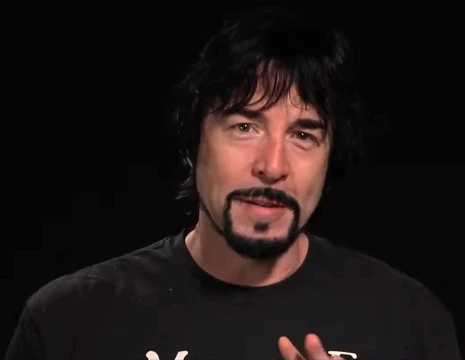
Umberto Eco
Italian medievalist, semiotician, and novelist of *The Name of the Rose*.

Umberto Eco (5 January 1932 – 19 February 2016) was an Italian medievalist, philosopher, semiotician, novelist, cultural critic, and political and social commentator. In English, he is best known for his popular 1980 novel *The Name of the Rose*, a historical mystery combining semiotics in fiction with biblical analysis, medieval studies and literary theory, as well as *Foucault's Pendulum*, his 1988 novel which touches on the history of occultism and its contemporary interpretation through the new age movement.
- born
- 5 January 1932, Alessandria, Piedmont, Italy
- died
- 19 February 2016
- field
- Medievalist, philosopher, semiotician, novelist, cultural critic, political and
- nationality
- Italian
- known_for
- The Name of the Rose (1980), Foucault's Pendulum (1988), essay 'Ur-Fascism' (199
Verified Timeline
Lore & Background
Eco was born on 5 January 1932 in Alessandria, Piedmont. The spread of Italian fascism influenced his childhood; at age ten he won the First Provincial Award of Ludi Juveniles for a fascist writing prompt: 'Should we die for the glory of Mussolini and the immortal destiny of Italy?' During World War II, he and his mother moved to a small village in the Piedmontese mountainside. His village was liberated in 1945, exposing him to American comic books, the European Resistance, and the Holocaust. He received a Salesian education. His father urged him to become a lawyer, but Eco entered the University of Turin, earning a Laurea in philosophy in 1954 with a thesis on Thomas Aquinas under Luigi Pareyson. After graduating, Eco worked for RAI in Milan, then served 18 months of compulsory military service in the Italian Army. In 1959 he began editing the series 'Idee nuove' for Bompiani. He published scholarly works including *Sviluppo dell'estetica medievale* (1959), *Opera aperta* (1962), and *Apocalittici e integrati* (1964). He taught at the University of Florence (Professor of Visual Communications, 1965–1969), Milan Polytechnic (Professor of Semiotics, 1969), and the University of Bologna (associate professor 1971, Professor of Semiotics 1975). He also wrote a twice-monthly column 'La Bustina di Minerva' for *L'Espresso* from 1985 until his last column on 27 January 2016. At the time of his death, he was an Emeritus professor at the University of Bologna.
Reader's Guide
Umberto Eco's significance lies in his synthesis of medieval scholarship, semiotic theory, and popular fiction. His novel *The Name of the Rose* (1980) brought semiotics and medieval studies to a global audience, featuring Franciscan friar William of Baskerville investigating murders in a 14th-century monastery. The novel includes a tribute to Jorge Luis Borges in the character Jorge of Burgos. *Foucault's Pendulum* (1988) follows three editors who invent a conspiracy theory called 'The Plan' about a secret order descended from the Knights Templar. His 1995 essay 'Ur-Fascism' listed fourteen general properties of fascist ideologies, gaining renewed recognition in the 21st century. Eco's academic work on the 'open text' in *Opera aperta* (1962) argued that literary texts are fields of meaning, not strings of meaning. He also contributed to cultural criticism through essays on mass media, such as his 1961 analysis of Mike Bongiorno, where he observed that Bongiorno 'does not provoke inferiority complexes' and 'represents an ideal that nobody need strive to reach.' His legacy includes teaching at the University of Bologna as an Emeritus professor and shaping discussions on fascism, interpretation, and communication.
Did You Know?
- At age ten, Eco won the First Provincial Award of Ludi Juveniles for a fascist writing prompt: 'Should we die for the glory of Mussolini and the immortal destiny of Italy?'
- Eco's last column for L'Espresso, a critical appraisal of the Romantic paintings of Francesco Hayez, appeared on 27 January 2016.
- His family name may be an acronym of 'ex caelis oblatus' (Latin: a gift from the heavens), given to his foundling grandfather by a city hall official.
- Eco's first book, published in 1956, was followed by a short pamphlet of cartoons and verse titled *Filosofi in libertà* under the pseudonym Daedalus.
- In 1961, Eco's essay 'Phenomenology of Mike Bongiorno' analyzed a popular quiz show host, noting he 'does not provoke inferiority complexes' and 'represents an ideal that nobody need strive to reach.'
Frequently Asked Questions
Who is Umberto Eco?
Umberto Eco was an Italian intellectual who worked across medieval studies, philosophy, semiotics, and fiction. Born in Alessandria, Piedmont, in 1932, he died in 2016 and left a body of work spanning academic scholarship, popular novels, and political commentary.
What is Umberto Eco most famous for?
He is best known in English for his 1980 historical mystery The Name of the Rose, which blends a monastery murder plot with semiotics, biblical analysis, and medieval scholarship. His 1988 novel Foucault's Pendulum is his other major work of fiction, exploring occultism and conspiracy through the lens of the new age movement.
What was Umberto Eco's academic specialty?
Eco was primarily a medievalist and semiotician, meaning his scholarly focus lay in medieval literature and the theory of signs and meaning. He also operated as a cultural critic and political commentator, publishing widely on topics from fascism to popular media.
What is the essay 'Ur-Fascism' about?
Published in 1995, 'Ur-Fascism' distills the core ideological traits Eco identified as common to fascist movements across different countries and eras. It has become one of his most frequently referenced pieces of political writing.
When and where did Umberto Eco live and die?
Eco was born on 5 January 1932 in Alessandria, Piedmont, Italy, and died on 19 February 2016 at the age of 84. His career spanned roughly eight decades of Italian and international intellectual life.
More in Literary Giants 1-24
Elsewhere in the Literary Giants universe
Spotted an error? Know more?
This is a living reference — every entry is fact-audited, and reader corrections feed straight into our audit queue. Suggest an edit · See this site's audit record